
Early childhood is one of the most important stages of a child’s development. During these formative years, children build the foundation for future learning, creativity, communication, and problem-solving abilities. In 2026, parents and educators are focusing more than ever on Kids Learning Activities that combine fun with education.
Modern learning is no longer limited to textbooks and classrooms. Children learn best when they actively participate in engaging activities that stimulate curiosity, imagination, and critical thinking. From puzzles and educational games to STEM projects and creative arts, learning activities play a vital role in Skill Growth and overall child development.
By introducing age-appropriate educational activities, parents can help children develop essential life skills while making learning enjoyable and meaningful.
What Are Kids Learning Activities?
Kids Learning Activities are structured or playful experiences designed to help children develop cognitive, social, emotional, physical, and creative skills.
These activities encourage children to explore, discover, and learn through hands-on experiences rather than passive instruction.
Examples of Learning Activities
- Reading storybooks
- Solving puzzles
- Drawing and coloring
- Building blocks
- Alphabet games
- Number recognition activities
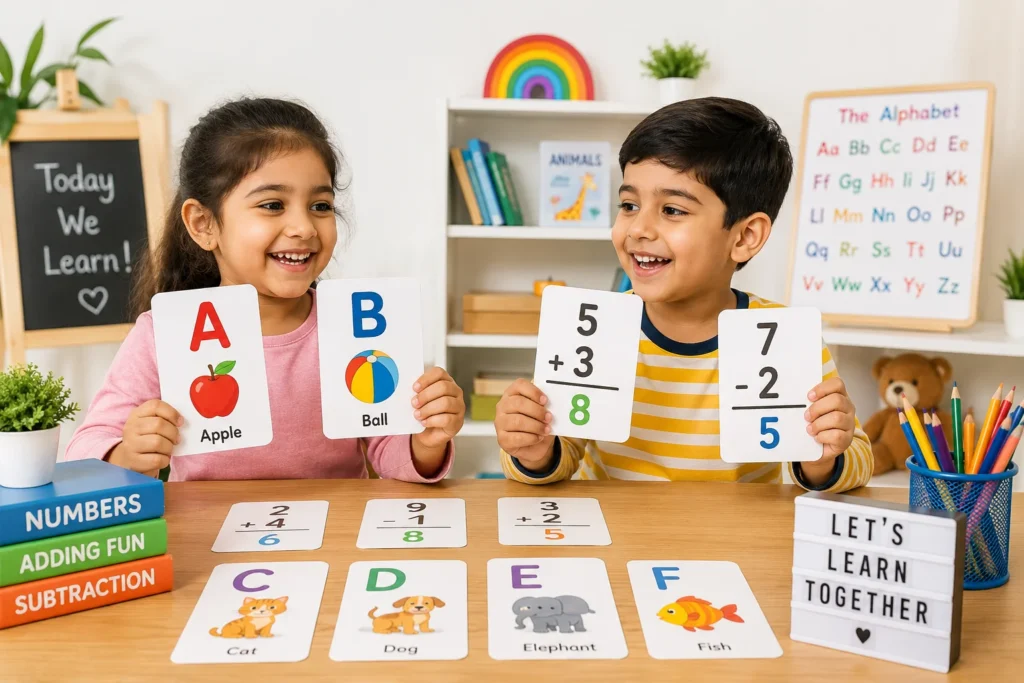
- Educational flashcards
- STEM experiments
- Memory games
- Creative storytelling
Why Early Education Matters in 2026
The world is changing rapidly, and children need a wide range of skills to succeed in the future.
Early Education helps children:
- Build strong learning foundations
- Improve communication skills
- Develop problem-solving abilities
- Enhance creativity
- Strengthen social interactions
- Increase confidence and independence
Research consistently shows that children who receive quality early learning experiences perform better academically and socially throughout their lives.
Benefits of Kids Learning Activities
Cognitive Development
Learning activities stimulate brain development and improve memory, concentration, and logical thinking.
Benefits include:
- Better problem-solving skills
- Improved focus
- Enhanced memory retention
- Faster learning abilities
Language Development
Activities such as reading and storytelling help children expand vocabulary and communication skills.
Benefits include:
- Improved speaking skills
- Better listening abilities
- Increased vocabulary
- Stronger reading readiness
Social and Emotional Growth
Group activities teach children valuable social skills.
Children learn:
- Teamwork
- Sharing
- Patience
- Cooperation
- Empathy
Physical Development
Many educational activities involve movement and coordination.
Examples include:
- Outdoor games
- Building blocks
- Craft activities
- Interactive learning games
These activities strengthen fine and gross motor skills.
Top Kids Learning Activities for Skill Growth
Reading and Storytelling
Reading remains one of the most effective educational activities.
Benefits:
- Improves language development
- Encourages imagination
- Strengthens concentration
- Enhances comprehension skills
Parents should read with children daily to develop a lifelong love of learning.
Puzzle Games
Puzzles challenge children to think critically and solve problems.
Benefits:
- Logical thinking
- Pattern recognition
- Patience
- Memory improvement
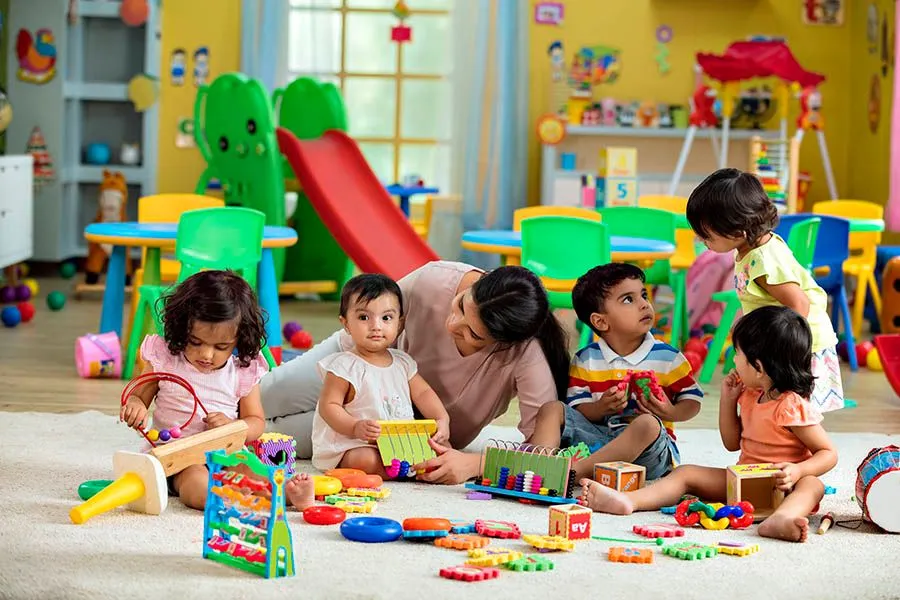
Building Blocks and Construction Toys
Building activities help children understand shapes, structures, and spatial relationships.
Skills Developed:
- Creativity
- Engineering concepts
- Problem-solving
- Hand-eye coordination
Educational Flashcards
Flashcards make learning fun and interactive.
Children can learn:
- Letters
- Numbers
- Colors
- Shapes
- Vocabulary words
Arts and Crafts
Creative projects encourage self-expression.
Popular activities include:
- Painting
- Coloring
- Paper crafts
- Clay modeling
- DIY projects
Benefits:
- Creativity
- Fine motor skills
- Focus
- Confidence
STEM Activities
STEM stands for Science, Technology, Engineering, and Mathematics.
Simple STEM activities teach children how things work through hands-on exploration.
Examples:
- Building bridges with blocks
- Water experiments
- Magnet activities
- Simple coding games
- Science projects
Learning Through Play
Children naturally learn through play.
Play-based learning helps children:
- Explore new ideas
- Develop imagination
- Build social skills
- Practice decision-making
Examples of Learning Through Play:
- Pretend play
- Role-playing games
- Educational board games
- Building activities
- Outdoor exploration
Creating an Effective Learning Environment
A positive learning environment encourages curiosity and focus.
Tips for Parents
- Create a dedicated learning space
- Keep educational materials organized
- Limit distractions
- Encourage questions
- Celebrate effort and progress
Children learn best when they feel supported and motivated.
Reducing Screen Time While Encouraging Learning
Technology can be beneficial when used wisely.
Healthy Guidelines:
- Balance digital and offline activities
- Choose educational content
- Encourage outdoor play
- Schedule screen-free periods
- Participate in learning activities together
Offline experiences remain essential for healthy development.
Supporting Creativity and Critical Thinking
Creativity is one of the most valuable future skills.
Encourage creativity by:
- Asking open-ended questions
- Providing art supplies
- Encouraging storytelling
- Allowing independent exploration
- Supporting imaginative play
Critical thinking develops when children are encouraged to solve problems and explore different solutions.
Family Involvement in Learning
Parents play a crucial role in early education.
Simple family activities include:
- Reading together
- Playing educational games
- Visiting libraries
- Nature walks
- Science experiments at home
Family participation increases children’s motivation and confidence.
Healthy Habits for Better Learning
Learning and wellness go hand in hand.
Healthy Habits
- Balanced nutrition
- Regular physical activity
- Adequate sleep
- Hydration
- Positive family interactions
Healthy children are better prepared to learn and grow.
Internal Linking Opportunities
For a parenting website, link this article to:
- Child Development Activities
- Educational Games for Kids
- Family Wellness Tips
- Screen-Free Activities for Children
- Healthy Habits for Kids
- Preschool Learning Ideas
- Family Bonding Activities
Frequently Asked Questions
What are the best learning activities for young children?
Reading, puzzles, building blocks, educational games, arts and crafts, and STEM projects are among the most effective learning activities.
Why are learning activities important?
They support cognitive, social, emotional, and physical development while making education enjoyable.
How much time should children spend on learning activities?
Most experts recommend short, engaging sessions based on a child’s age and attention span, combined with plenty of playtime.
Are STEM activities suitable for preschool children?
Yes. Simple STEM activities help young children develop curiosity, creativity, and problem-solving skills.
How can parents encourage learning at home?
Create a positive learning environment, read daily, provide educational materials, and participate in activities together.
Conclusion
Kids Learning Activities are essential for Early Education and Skill Growth in 2026. Through reading, puzzles, creative arts, STEM projects, educational games, and play-based learning, children develop the skills they need for future success. By providing engaging learning opportunities and a supportive environment, parents can help children become confident, curious, and lifelong learners. Small daily learning experiences can make a significant difference in a child’s growth and development.
5 AI Image Prompts
- Happy children learning together in a colorful classroom, reading books, solving puzzles, educational toys, natural lighting, realistic photography, high resolution.
- Young kids building blocks and exploring STEM activities in a modern learning environment, bright colors, detailed educational setting, realistic image.
- Children practicing alphabet and numbers with flashcards, smiling and engaged, classroom style learning, professional photography.
- Kids participating in arts and crafts activities, painting and drawing creatively, vibrant educational environment, ultra realistic.
- Diverse group of children learning through play, teamwork, curiosity, and creativity, modern classroom, natural lighting, 4K quality.